Tracking Rubber Rather Than Stint Duration
Television graphics during a Grand Prix track both the duration of a driver's current run and the accumulated mileage on the fitted rubber. Understanding why F1 tyre age does not reset after a pit stop comes down to distinguishing the physical set of tyres from the pit visit itself. If a crew fits a set previously run during practice or qualifying, or conducts front-wing repairs while keeping the existing wheels in place, the rubber retains the running history already logged.
Regulatory Status and On-Track Pace
Formula 1 sporting regulations treat allocated tyre sets, compound specifications, and usage status as separate definitions. Under Article B6.3.2 of the 2026 FIA Sporting Regulations, fitted tyres obtain a designated used status, but that regulatory classification does not mean their available grip vanishes immediately. Swapping between two different sets of the soft compound represents a change of physical tyres without switching the mandated dry-weather specification.
Evaluating Tyre Performance Beyond Lap Counts
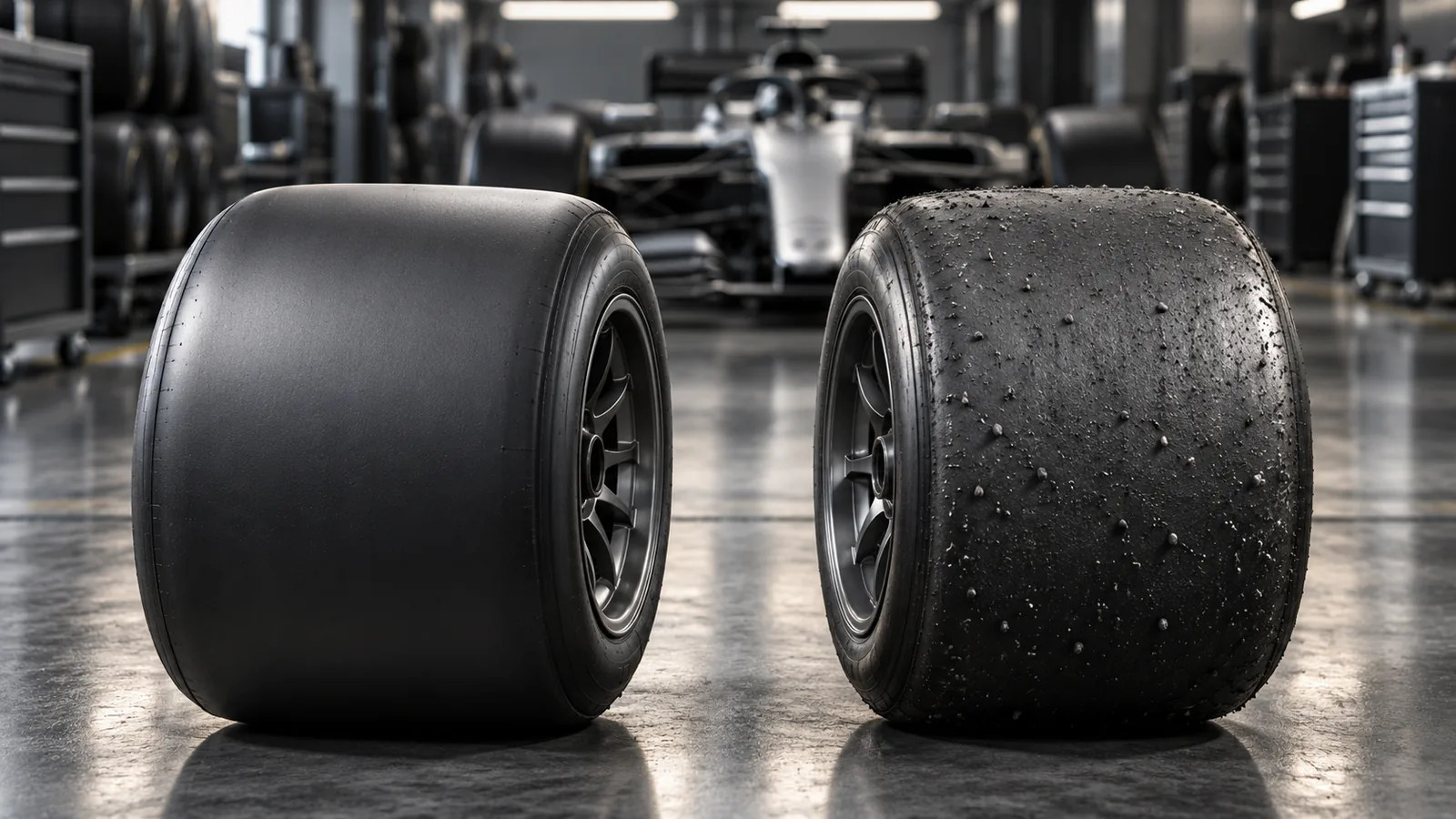
An older set does not automatically produce slower lap times on the subsequent lap. A newly fitted set can require warm-up laps to reach an effective operating window, whereas an older set might stabilize or even gain pace as surface graining cleans up. Lap times remain subject to changing fuel loads, track evolution, tyre management, and traffic, meaning strategic assessments cannot rely strictly on the age figure displayed on a broadcast screen.
Official reference: 2026 FIA Sporting Regulations, Section B, Issue 09.

No comments:
Post a Comment