Behind the Screens of In-Race Incident Reviews
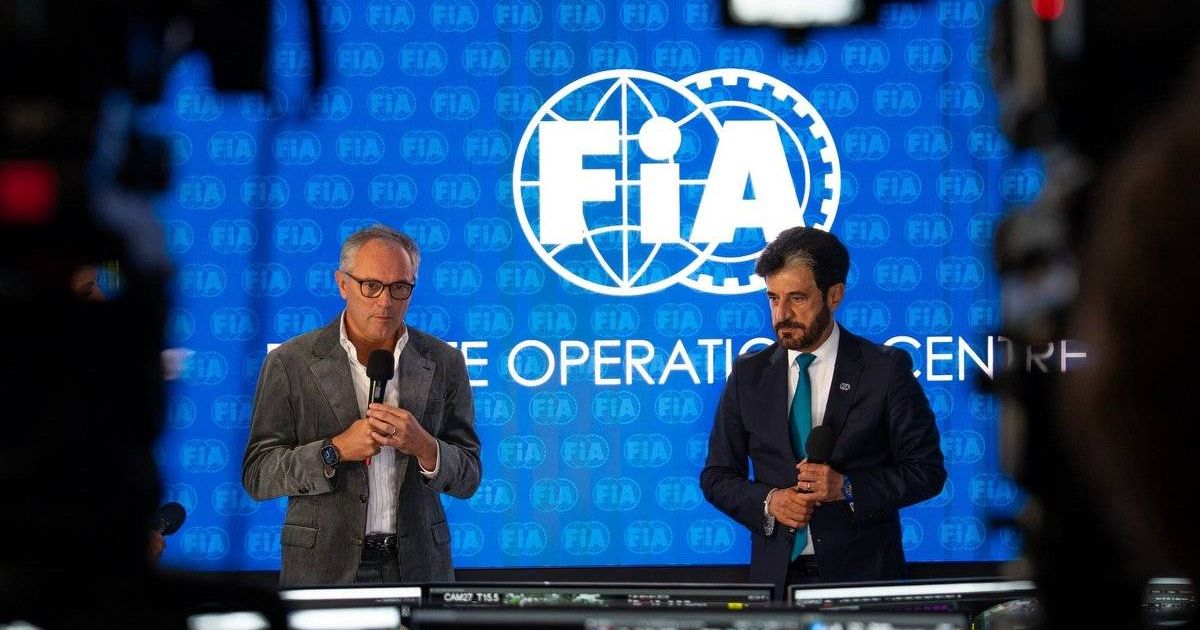
When race stewards review an on-track dispute during a Grand Prix, the evidence reaching their screens relies increasingly on off-site data filtering. As the FIA opens new Biggin Hill Remote Operations Centre facilities to support race officials, up to 16 remote analysts work behind the scenes to sift through over 140 live audio and video feeds, car-positioning telemetry, and team radio exchanges across Formula 1, F2, and F3 sessions.
The remote facility, which entered full operation at the 2026 Dutch Grand Prix before its formal opening on 20 October, functions alongside trackside Race Control, Systems Operations, and the stewards. Rather than replacing human judgment, automated radio-message tagging, shape recognition, and computer vision tools flag potential irregularities—such as track limits breaches, false starts, or pit lane infringements—so that officials can review compiled multi-angle evidence before issuing a verdict.
Evaluating the Impact on Officiating Consistency
Having an off-site team process hundreds of real-time feeds gives stewards quicker access to synchronised views and telemetry when assessing race-defining moments. However, while the governing body targets faster and more consistent officiating through this setup, opening announcements did not supply comparative data verifying reduced review times or measurable improvements in ruling accuracy, leaving consistency as an operational goal rather than an empirically proven outcome.
Beyond in-race debriefs, the remote setup archives incident data for post-event analysis and supports the FIA High Performance Programme for Officials, established in 2023. These retrospective reviews allow race directors and stewards to study contentious decisions in detail, shaping future sporting regulations and operational training.
Official reference: FIA's announcement.

No comments:
Post a Comment