Sunday, 25 October 2026

How Formula 1 Decides Which Lapped Cars May Overtake the Safety Car

Red Mercedes-AMG Formula 1 Safety Car on track at Suzuka in 2025

The Specific Snapshot Used to Determine Eligibility

During a neutralization, determining who qualifies for an unlapping wave-around is not simply a matter of who happens to be a lap down when the radio call goes out. Under the 2026 sporting regulations, the decision rests on a precise historical timing snapshot applied to each individual competitor. Officials look at the point when a car crosses the first safety car line for the second time following deployment, and then examine whether that car was lapped by the race leader when crossing the Control Line at the end of that exact lap. Only cars that were already a lap behind at that specific moment meet the criteria.

Executing the Move and Rejoining the Train

Once the official message confirms that lapped cars may overtake and the green lights appear on the physical vehicle, those designated competitors are required to drive past the lead-lap runners and the Safety Car itself. This structured F1 Safety Car unlapping process requires lead-lap machines to remain on the standard racing line while the released runners go by, after which the passing cars must circulate at an appropriate speed toward the back of the queue without initiating normal overtakes on one another.

Timing the Withdrawal and the Return to Full Green

The Race Director holds discretion over whether track conditions allow this release at all, and can transmit an instruction barring overtaking if conditions dictate. When unlapping is authorized, the Safety Car typically enters the pit lane at the end of the subsequent lap, and regulations do not mandate waiting for every released vehicle to fully rejoin the rear before proceeding. Drivers are only permitted to resume normal racing overtakes once the Safety Car enters pit entry and each individual car subsequently crosses the Control Line.

Official reference: lapped.

Why Pit Timing Under a Virtual Safety Car Can Decide a Grand Prix

Formula 1 cars driving on circuit during the 2023 Austrian Grand Prix

Relative Time Loss in the Pit Lane

During neutralised running, timing a pit visit around race neutralisations often dictates the outcome of a race debrief. When Race Control deploys the F1 virtual safety car, on-track competitors are required to slow down to comply with FIA reference minimum times across marshalling sectors. Because the rest of the field travels significantly below normal racing speed on the circuit, a car travelling down pit lane loses less net track time relative to running competitors than it would during green-flag conditions.

Strategic Uncertainty and the Restart Window

A stop during this neutralisation is never guaranteed to yield a fixed advantage. Pit entry is specifically permitted for the purpose of changing tyres, but teams take on risk regarding when the neutralisation terminates. The race director signals VSC ENDING to warn competitors, followed 10 to 15 seconds later by the green light panels that immediately permit full acceleration and overtaking without waiting to cross the control line. If green-flag racing resumes while a car is still negotiating pit service or pit exit, rivals on track accelerate back to racing speed early, eroding the anticipated time benefit.

Gaps Are Not Permanently Frozen

Although the procedure avoids bunching the pack nose-to-tail behind a physical Safety Car, it does not lock in existing margins between competitors. Local double-waved yellow flag sectors impose independent delta resets, which can alter relative spacing across different parts of the circuit. Between tactical tyre changes and varied sector constraints, the operational restart regularly reshapes gaps and track position before full-speed racing resumes.

Official reference: 2023 explanation of delta controls.

Saturday, 24 October 2026

How Formula 1 Track Elevation Shapes Braking and Corner Entry

A red Ferrari leads a dark Red Bull through a circuit corner beside red-and-white kerbing and grass.

Measuring Vertical Range Across a Grand Prix Lap

Formula 1 layouts vary dramatically in how much vertical territory they cover between their absolute highest and lowest markers. In Formula1.com's comparison of the top 10 F1 circuits with the biggest elevation changes, Spa-Francorchamps recorded the largest total span at 102.2 metres, followed by the Red Bull Ring at 63.5 metres, Interlagos at 43 metres, Monaco at 42 metres, and Suzuka at 40.4 metres. These statistics represent the net difference across an entire venue rather than an aggregate of every incline or a single continuous slope.

Gradient Effects on Braking and Corner Approach

Elevation changes alter driver inputs and car balance depending on whether an approach climbs or plunges. At Circuit of the Americas, the 30.9-metre overall difference runs between Turns 19 and 20 and the summit at Turn 1; that steep uphill entry aids deceleration, allowing competitors to brake later than on a flat surface. By contrast, downhill entries compress braking zones and reduce tolerance for error, as seen at Suzuka where the approach to Turns 1 and 2 drops toward the track's lowest point after the final sector.

Varying topography also complicates car placement through sequences with rapid transitions. At Spa, the high-speed compression and sudden switch from a descent into a climb through Eau Rouge and Raidillon places intense vertical loads on chassis setup, while Baku's narrow climb around Turn 8 requires precise steering in tight quarters before reaching its peak at Turn 13.

Official reference: Formula1.com’s circuit comparison.

Friday, 23 October 2026

How Late-Race Sanctions Shift Grand Prix Results After the Flag

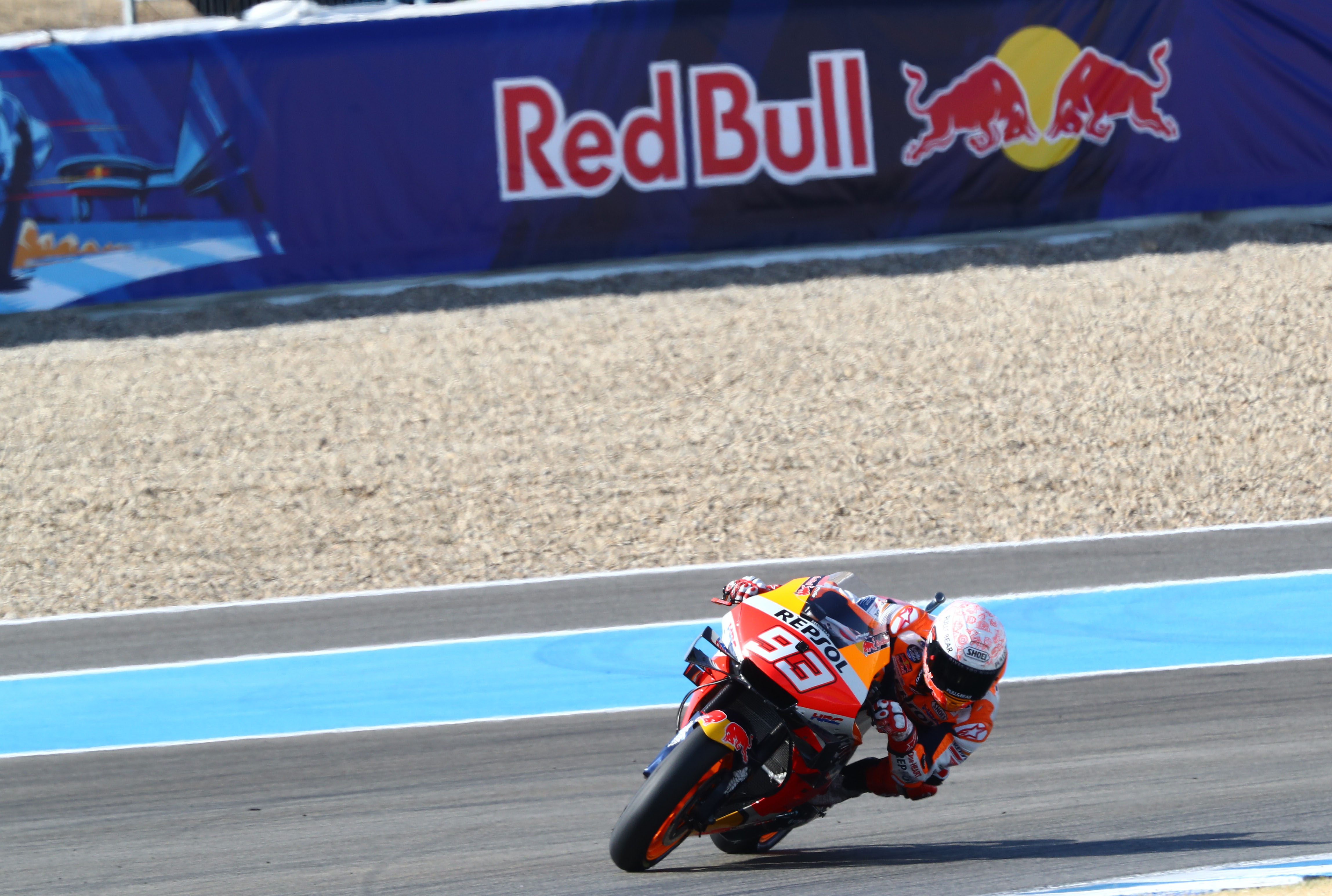
Rider leaning a Repsol Honda motorcycle numbered 93 through a corner, with blue runoff and gravel behind.

The Post-Race Impact of Unserved Route Penalties

When assessing a decisive race finish, fans often wonder what happens if a MotoGP rider gets a long lap penalty on the last lap and cannot complete the prescribed detour before crossing the finish line. Under standard sporting procedures, unserved route penalties do not vanish at the chequered flag. Instead of taking the detour on tarmac, the rider typically receives an equivalent time penalty added directly to their total race duration, reshaping the final classification after crossing the line.

The exact duration added to a rider's race time is not a uniform figure applied identically across the calendar. Teams are notified of both the designated loop layout and the circuit-specific equivalent time penalty prior to the weekend's opening practice session. Should the stewards choose not to, or be unable to, signal the sanction prior to the finish, regulations permit them to enforce this calculated time addition or select an alternative penalty to reflect the infraction.

Distinguishing Unserved Detours From Final-Lap Position Drops

During regular race running, competitors receive a three-lap compliance window to serve a single long lap once they cross the start-finish line following dashboard notification. Running out of scheduled race distance on the final tour must not be confused with deliberate non-compliance, which normally escalates to a double long lap or a pit-lane ride-through during an active race.

Crucially, a route penalty carried over the line differs from specific final-lap track-limits decisions. In closely contested track battles, an infringement on the final lap judged to disadvantage a rival or defend a position can lead stewards to order an immediate post-race drop of position rather than converting an unserved detour into seconds.

Official reference: MotoGP's official track-limits guide.

How IndyCar Restart Boost Changes Overtaking Strategy

A black-and-white open-wheel racing car rounds a street-circuit corner, with blue-and-yellow and orange cars behind it beside barriers and catch fencing.

The Boundary Between Boost and Overtaking

Under the regulatory update announced on May 5, 2026, race restarts on road and street circuits gained an extra competitive variable. For drivers weighing an offensive attack or defending a position in traffic, understanding when can IndyCar drivers use push to pass on restarts comes down to two mandatory triggers: the green flag must be out, and the car must cross the designated alternate start-finish line. Crucially, gaining access to the extra 60 horsepower does not loosen passing restrictions, as drivers remain strictly prohibited from completing overtakes prior to reaching the restart line.

Because the initial start of the race excludes this early boost, restarts introduce a distinct tactical dynamic. Drivers can spool up turbocharger performance immediately upon clearing the line, but they must balance that instant acceleration against the risk of wheelspin on cold tires while waiting for legal passing territory to open.

Managing Allocation Across a Race Distance

Because IndyCar left both the total allotment and the maximum single-push duration unchanged, deploying boost on a restart forces a strategic trade-off. Using seconds to gain momentum into Turn 1 diminishes the reserve available for defending late in a stint or pushing on out-laps. While having extra power at hand offers a potential launch advantage, rivals hold the identical tool, meaning the real tactical value depends entirely on discipline and tire grip rather than pure horsepower.

Official reference: official announcement.

How track limits reshaped the opening session at Austin in 2026

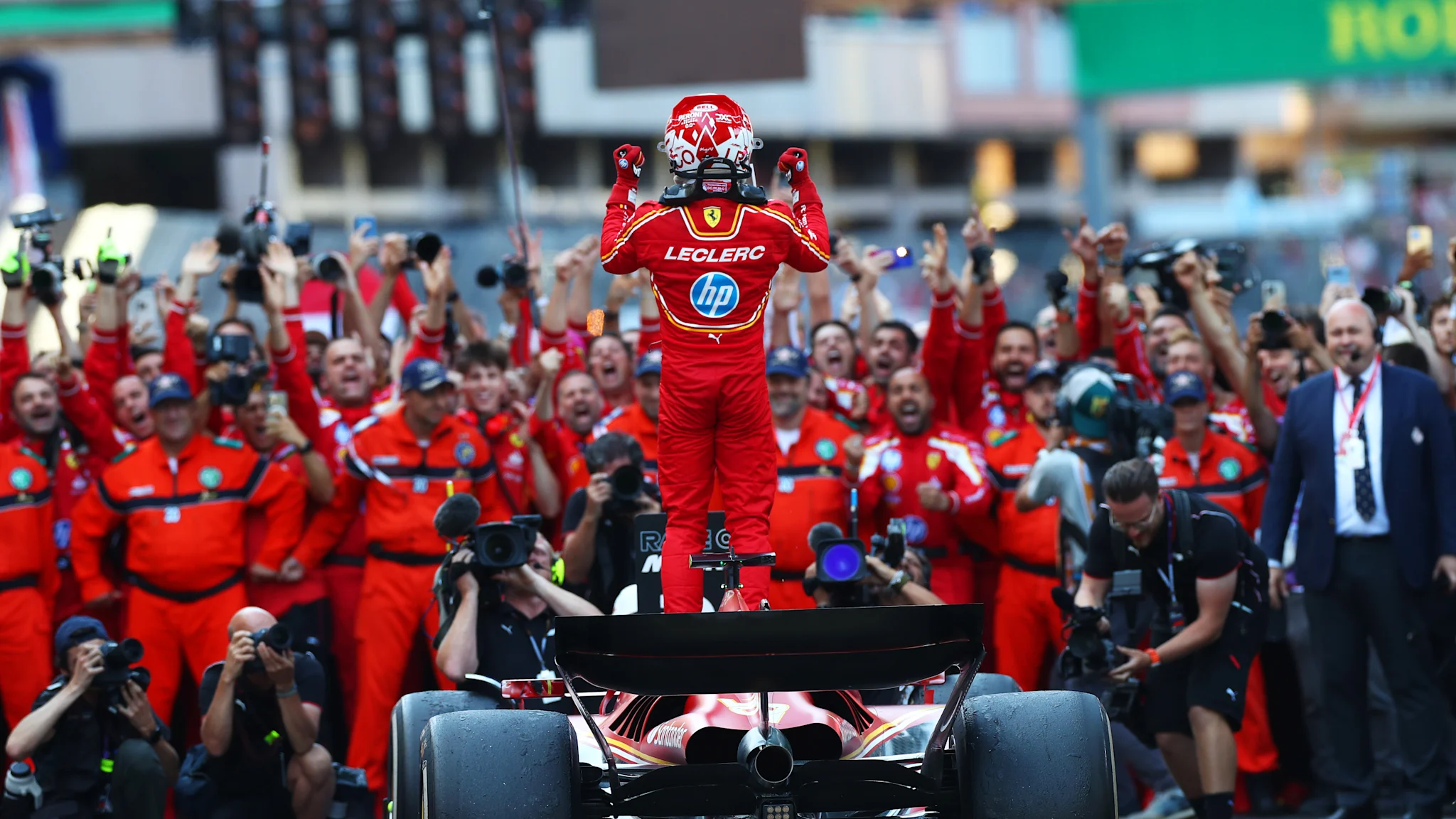
Charles Leclerc stands on a Ferrari with both arms raised while team personnel celebrate and photographers surround the car.

A boundary infringement settles the initial order

During opening practice at the Circuit of the Americas on 23 October 2026, Charles Leclerc secured the fastest retained lap with a 1:36.052. However, the top spot on the timing sheets was decided not strictly by baseline pace, but by policing at the penultimate corner. Max Verstappen had posted an effort fast enough to displace the Ferrari, only for race officials to delete the lap due to an infringement beyond the track edge at Turn 19.

That deletion proved decisive in leaving Verstappen second with an official best of 1:36.136, trailing by 0.084s. The ruling illustrated how fine margins at high-speed exits can dictate practice rankings, ensuring that in reports from the United States GP: Leclerc remained credited with the leading time ahead of Red Bull and McLaren's Lando Norris.

Reading early pace through Friday compromises

While the headline order placed Ferrari first, the lap-time hierarchy reflected varying run plans and early handling struggles rather than a straightforward performance measure. Ferrari ran an updated aerodynamic package covering the floor, diffuser, and sidepods, but initial running across teams featured split tyre choices, with Red Bull and Mercedes using hard tyres while Ferrari and McLaren evaluated mediums.

Both front-running teams also dealt with operational quirks. Verstappen noted steering friction when turning left early on, and Mercedes checked George Russell's front wing following an understeer complaint, though neither instance was confirmed as a mechanical failure. When teams switched to soft tyres and subsequently higher-fuel simulations, the underlying spread across the top four outfits remained tight, underscoring that deleted laps and testing programmes leave true relative pace to be confirmed.

Official reference: Formula1.com’s account.

How Remote Race Control Scrutiny Shapes In-Race Penalty Decisions

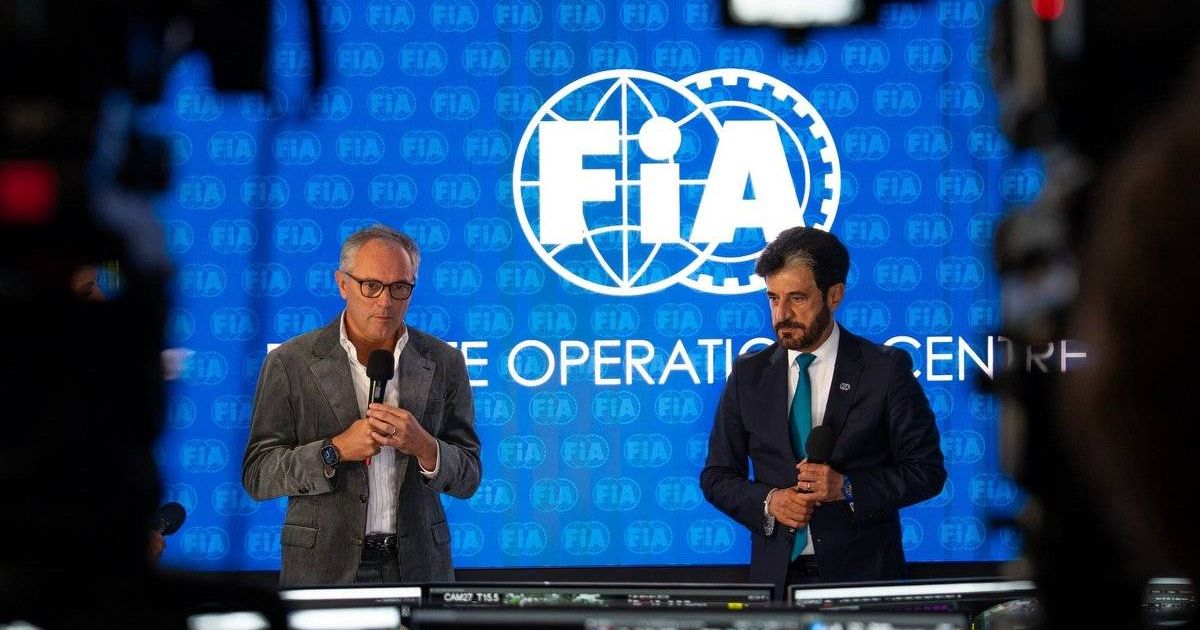
Two men holding microphones before a blue FIA-branded backdrop, with monitors in the foreground.

Behind the Screens of In-Race Incident Reviews

When race stewards review an on-track dispute during a Grand Prix, the evidence reaching their screens relies increasingly on off-site data filtering. As the FIA opens new Biggin Hill Remote Operations Centre facilities to support race officials, up to 16 remote analysts work behind the scenes to sift through over 140 live audio and video feeds, car-positioning telemetry, and team radio exchanges across Formula 1, F2, and F3 sessions.

The remote facility, which entered full operation at the 2026 Dutch Grand Prix before its formal opening on 20 October, functions alongside trackside Race Control, Systems Operations, and the stewards. Rather than replacing human judgment, automated radio-message tagging, shape recognition, and computer vision tools flag potential irregularities—such as track limits breaches, false starts, or pit lane infringements—so that officials can review compiled multi-angle evidence before issuing a verdict.

Evaluating the Impact on Officiating Consistency

Having an off-site team process hundreds of real-time feeds gives stewards quicker access to synchronised views and telemetry when assessing race-defining moments. However, while the governing body targets faster and more consistent officiating through this setup, opening announcements did not supply comparative data verifying reduced review times or measurable improvements in ruling accuracy, leaving consistency as an operational goal rather than an empirically proven outcome.

Beyond in-race debriefs, the remote setup archives incident data for post-event analysis and supports the FIA High Performance Programme for Officials, established in 2023. These retrospective reviews allow race directors and stewards to study contentious decisions in detail, shaping future sporting regulations and operational training.

Official reference: FIA's announcement.